



Why Role Play Is Good for Children
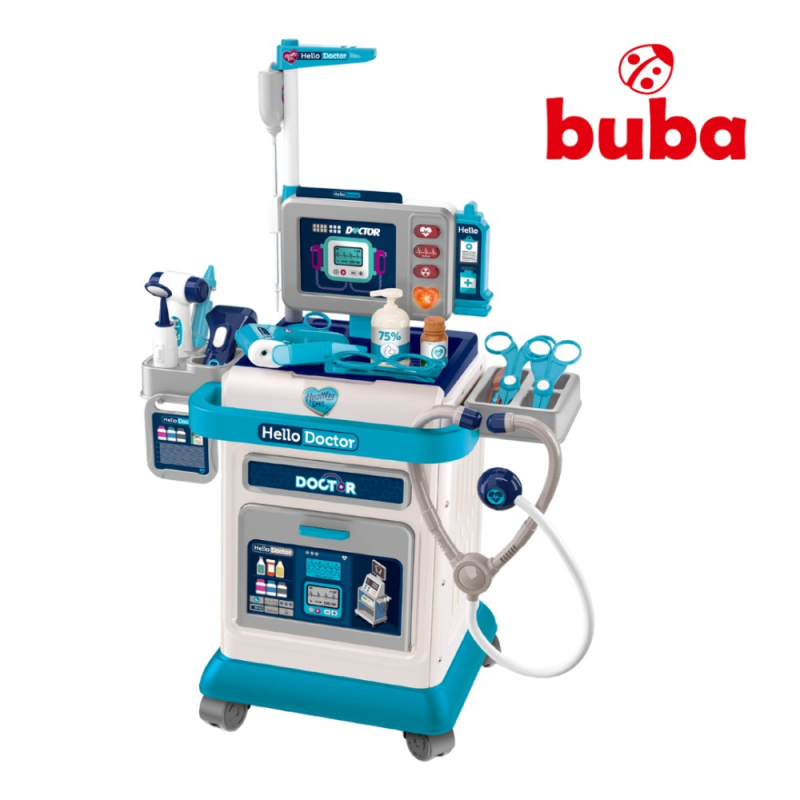
When a child “cooks” soup, “examines” a teddy bear or “sells” fruit, they are not just having fun – they are learning how the world works. Role play is one of the most natural ways of learning at preschool age.
1. Language and vocabulary
In play, children use new words – names of foods, tools and professions – and hold whole conversations as a “chef”, “doctor” or “shop assistant”.
2. Imagination and creativity
The child makes up the story: what to cook, what to fix, who the patient is. This trains imagination and the ability to plan.
3. Social skills and empathy
Playing with other children or with parents, a child learns to wait their turn, to negotiate and to put themselves in someone else’s shoes – for example by comforting a “sick” doll.
4. Fine motor skills
Small accessories – jars, forks, a stethoscope, coins – train the fingers and hand–eye coordination needed later for writing.
5. Counting and logic
Playing shop with a cash register is a first encounter with numbers and money, and cooking from a “recipe” is a first encounter with sequences.
6. Confidence and independence
By imitating adults, a child feels grown-up and capable. Playing doctor also reduces the fear of a real check-up.
How parents can help
- Join in as a “customer” or “patient”, but let the child lead.
- Ask questions: “What’s on the menu today?”, “What’s wrong with teddy?”
- Change the scenarios – a kitchen today, a workshop tomorrow.
Role play ideas: play kitchens, workshops and tool sets, doctor sets, shop and cash register and all creative toys.
Comments: 0